
September 15, 2026 · 9 min read
Most people fail to finish their memoir not because they lack stories — but because they lack a system. Here's what a memoir writing system actually includes, and why it makes the difference between finishing and stalling forever.
Read the full guide →

September 11, 2026 · 9 min read
Your memoir's first chapter has one job: make the reader unwilling to stop. Here's exactly what it needs to do — and how to write one that earns every page that follows.
Read the full guide →

September 8, 2026 · 9 min read
A memoir writing routine isn't about discipline — it's about design. Here's how to build a habit that gets your memoir written, even when life is busy.
Read the full guide →
September 4, 2026 · 9 min read
A memoir synopsis distills your entire book into one compelling page. Here's exactly what agents and publishers want — and how to write it without losing your story.
Read the full guide →
September 1, 2026 · 8 min read
A memoir outline is a map of your transformation — not a list of events in order. Here's the step-by-step system for building one that actually gets your memoir written and finished.
Read the full guide →

August 28, 2026 · 9 min read
Editing a memoir doesn't mean stripping out everything that makes it yours. Here's a three-pass revision system that cuts ruthlessly — and leaves your voice stronger, not gone.
Read the full guide →

August 25, 2026 · 9 min read
Three paths, one honest breakdown. Whether you're pursuing a literary agent, self-publishing, or hybrid publishing, here's what each path actually requires — and how to choose the right one for your memoir.
Read the full guide →
August 21, 2026 · 9 min read
Your memoir introduction has one job: make the reader need to keep reading. Here's the complete framework — five elements, common traps to avoid, and a step-by-step process for writing an opening that earns trust from sentence one.
Read the full guide →
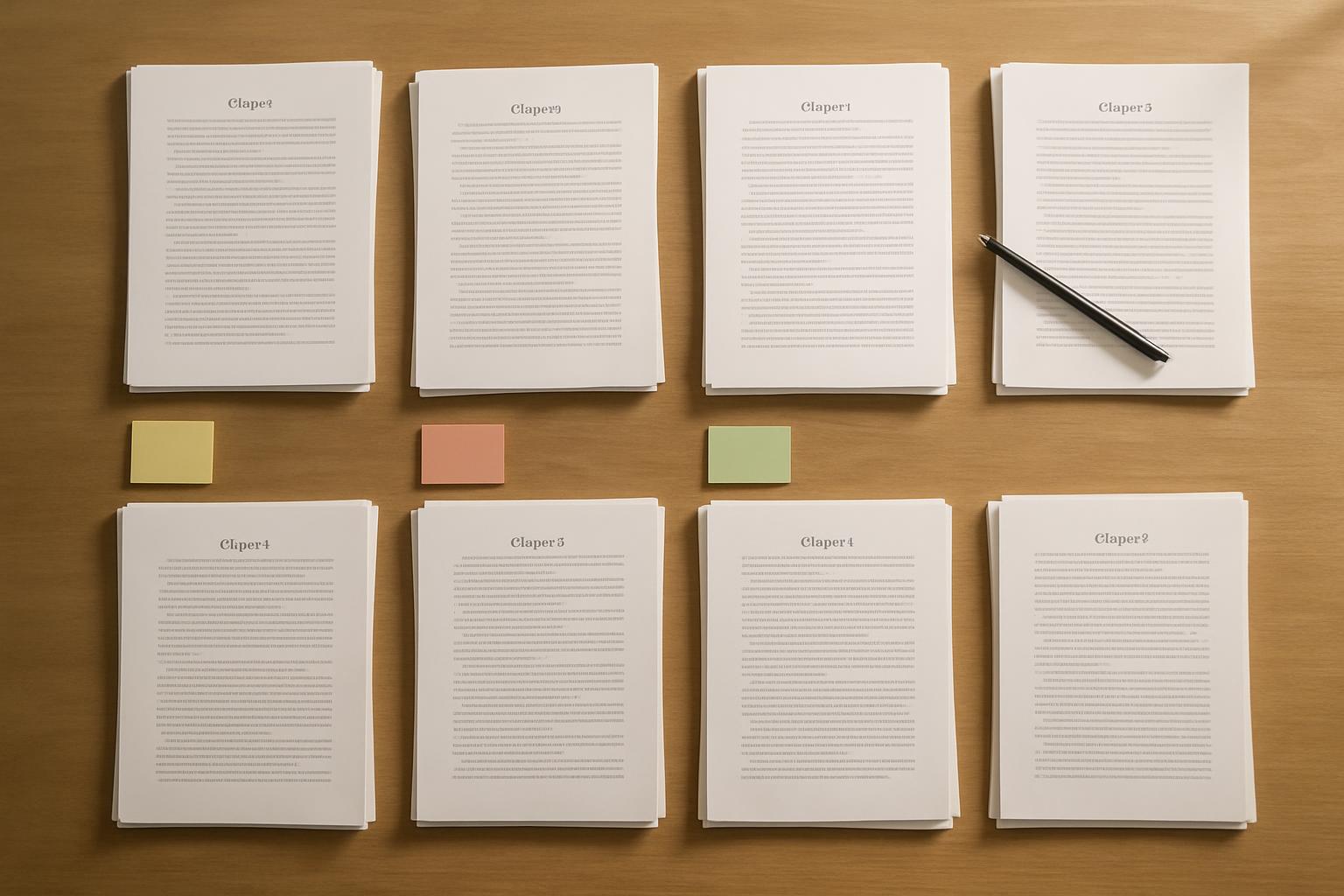
August 18, 2026 · 10 min read
Most memoirs fail not because the writer can't write — but because they started writing before they knew what their story was about. Here's the complete step-by-step system: transformation first, structure second, writing third.
Read the full guide →

August 14, 2026 · 9 min read
Writing a recovery memoir means more than confessing what happened. Here's how to find your arc, write the dark chapters without drowning, and shape your story into something that transforms readers.
Read the full guide →
August 11, 2026 · 8 min read
Memoir requires emotional truth — fidelity to what you experienced and felt. But it doesn't require perfect factual recall. Here's what "true" actually means in memoir, and where the line really is.
Read the full guide →

August 7, 2026 · 8 min read
Choosing a memoir title is simpler than most people make it. Here's the anatomy of a great title, where your title is probably already hiding, and a step-by-step process for finding the one that fits.
Read the full guide →
August 4, 2026 · 7 min read
Memoir vs. personal essay comes down to scope, length, and transformation. Here's how to tell which form your story actually needs — and when to expand an essay into a book.
Read the full guide →

July 31, 2026 · 9 min read
Memoir motivation isn't a personality trait — it's a system problem. Here's what actually keeps writers moving forward and gets manuscripts finished.
Read the full guide →
July 28, 2026 · 9 min read
Memoir workshops offer accountability, feedback, and community — but not all of them are worth your time or money. Here's how to tell the difference before you sign up.
Read the full guide →
July 24, 2026 · 9 min read
You don't need to be a writer to write a memoir. The barrier isn't talent — it's structure. Here's exactly how non-writers finish their memoirs every day.
Read the full guide →

July 21, 2026 · 7 min read
Write your memoir in first person. Here's why that's the right answer for almost every memoir writer — and the rare cases where distance actually serves the story.
Read the full guide →

July 17, 2026 · 9 min read
12 essential memoirs — trauma, family, adventure, identity — with a craft note on exactly what each one teaches you about structure, voice, and transformation before you write your own.
Read the full guide →

July 14, 2026 · 8 min read
A single memoir chapter takes most writers 2–6 hours to draft and another hour or two to revise. Here's the realistic breakdown — with weekly targets that work around a real life.
Read the full guide →
July 10, 2026 · 9 min read
A memoir proposal is your formal pitch to a literary agent — overview, comp titles, platform, chapter summaries, and sample pages. Here's exactly what goes in one and the brutal truth about what gets requests vs. passes.
Read the full guide →
July 7, 2026 · 9 min read
Writing memoir scenes means transporting readers into a specific moment — not summarizing what happened, but recreating it with sensory detail, dialogue, and emotional stakes. Here's the framework.
Read the full guide →

July 3, 2026 · 9 min read
Your memoir voice isn't something you invent — it's something you uncover. Here's what voice actually means in memoir writing, and the exercises that surface it on the page.
Read the full guide →
June 30, 2026 · 9 min read
Publishing a memoir can cost anywhere from $0 to $30,000+. Here's the honest breakdown — editing, cover design, formatting, distribution, and where to spend vs. skip — so you're not ambushed.
Read the full guide →
June 26, 2026 · 10 min read
KDP or IngramSpark — and everything you need to do before you upload. A complete step-by-step guide to editing, cover design, formatting, ISBNs, and what actually happens after you publish.
Read the full guide →

June 23, 2026 · 9 min read
Writing about real people in your memoir is one of the hardest parts — and one of the most common reasons people never start. Here's how to do it honestly, fairly, and without blowing up your relationships.
Read the full guide →

June 19, 2026 · 9 min read
No law requires it — but sometimes it's the smartest move you can make. Here's the legal and relational framework for every person in your book: when to use real names, when to change them, and what a disclaimer actually does.
Read the full guide →
June 16, 2026 · 9 min read
You can write a trauma memoir without reliving every wound. Here's how to approach difficult memories with craft, distance, and control — so the story heals instead of hurts.
Read the full guide →
June 12, 2026 · 9 min read
A bad memory won't stop you from writing a great memoir. Here's why emotional truth matters more than perfect recall — and the techniques that unlock what you think you've forgotten.
Read the full guide →
June 9, 2026 · 9 min read
Writing childhood memories in a memoir doesn't require perfect recall. Here's how to render authentic childhood scenes — gaps, uncertainty, and all — in a way that rings true.
Read the full guide →
June 6, 2026 · 9 min read
The best way to organize a memoir is to know what it's about before you decide how to order it. Here's a practical framework for choosing your structure — chronological, thematic, or braided — and getting your scenes in the right order.
Read the full guide →
June 2, 2026 · 7 min read
A memoir should be 200–350 pages (70,000–90,000 words) for traditional publishing — but the real answer depends on your path. Here's exactly how long your memoir should be, and what drives that number.
Read the full guide →
May 29, 2026 · 9 min read
A memoir ending isn't about resolution — it's about transformation. Here's what the final chapter of your memoir must do, and how to write a closing scene that lands.
Read the full guide →

May 26, 2026 · 9 min read
The blank page isn't a writing problem — it's a clarity problem. Here's the exact framework for choosing your memoir's opening, and why starting at the beginning is the wrong move.
Read the full guide →

May 22, 2026 · 8 min read
No. Age is one of the most powerful assets a memoirist can have — more perspective, more distance, better pattern recognition. Here's why, and how to start today.
Read the full guide →
May 20, 2026 · 8 min read
Yes. Here's why the belief that your life isn't interesting enough is the #1 reason memoirs never get written — and the three questions that prove you have a story worth telling.
Read the full guide →
May 15, 2026 · 9 min read
Five qualities shared by every memoir worth reading — specificity, voice, theme, structure, and emotional honesty — and how to build all five into yours.
Read the full guide →

May 12, 2026 · 8 min read
A memoir is a true, first-person account of a specific period or theme from your life — not your whole story, but the part that changed you. Here's exactly what that means.
Read the full guide →

May 8, 2026 · 7 min read
People use the words interchangeably. Publishers don't. Readers don't. Here's the real difference — and why it changes everything about how you write your story.
Read the full guide →

May 5, 2026 · 8 min read
Who are you writing your memoir for? The answer changes everything — your scope, your tone, your level of honesty, and how you handle the people in your story.
Read the full guide →
May 1, 2026 · 8 min read
Should your memoir go in chronological order or thematic order? Here's how to choose the right structure for your story — and why this decision shapes every other decision you'll make in the writing process.
Read the full guide →

April 28, 2026 · 8 min read
Most memoirs don't fail because the story isn't good enough. They fail because the writer never found the central thread — the theme that turns a sequence of memories into a story that actually means something.
Read the full guide →

April 24, 2026 · 7 min read
You don't need to remember exact words to write dialogue in your memoir. Here's the emotional accuracy standard — and how to make your scenes come alive.
Read the full guide →
April 21, 2026 · 7 min read
Memoir writer's block isn't a creativity problem — it's a structural one. Here's how to diagnose exactly what's stopping you and get writing again, fast.
Read the full guide →

April 17, 2026 · 9 min read
Two paths, two very different realities. Here's an honest breakdown of traditional publishing vs. self-publishing for memoir writers — costs, timelines, control, and which one actually makes sense for most people.
Read the full guide →

April 17, 2026 · 9 min read
The best memoir writers don't just remember — they excavate. Here's a practical self-interview method, with specific questions by category, that pulls up the stories you forgot you had.
Read the full guide →

April 14, 2026 · 7 min read
Most memoirs don't fail because the story isn't good enough. They fail because of five specific, avoidable mistakes — the kind that sneak up quietly until one day you just stop opening the document. Here's what they are and how to fix them.
Read the full guide →

April 10, 2026 · 9 min read
The hardest memories to write are almost always the most important ones. Here's how to write about painful, complicated moments in your memoir — honestly, carefully, and without breaking yourself in the process.
Read the full guide →

April 3, 2026 · 8 min read
Most memoirs lose readers before the end of the first page — not because the story isn't worth telling, but because the opening scene doesn't do its job. Here's exactly what your opening needs, and a simple formula for writing one that pulls readers in from the first line.
Read the full guide →

March 31, 2026 · 8 min read
Some people write a memoir in three months. Others spend a decade. The difference usually isn't talent or time — it's whether they have a map. Here's a realistic breakdown of what the timeline looks like, and how to make yours shorter.
Read the full guide →
March 27, 2026 · 7 min read
Most people think memoir means writing down their memories. It doesn't — and confusing the two is why most memoir drafts stall out. Learn the crucial difference, why it matters, and how memoir compares to autobiography.
Read the full guide →

March 24, 2026 · 7 min read
Thinking about hiring a ghostwriter? Here's what memoir ghostwriting actually costs, what you get for that money, and how to know if it's the right path — or if there's a better option for your situation.
Read the full guide →
March 21, 2026 · 9 min read
Your life is a hero's journey memoir — you just haven't seen it yet. Learn how to find your hero's journey in real life and use it to write a memoir that moves people.
Read the full guide →

March 17, 2026 · 8 min read
Most memoirs fail because they have no structure. The Hero's Journey gives you a proven 10-stage framework that turns any life into a compelling narrative arc — from your world before the change to the legacy you leave behind.
Read the full guide →

March 14, 2026 · 7 min read
It's the most common advice for aspiring memoir writers — and it leads straight to an abandoned draft. Here's why structure beats inspiration every time, and what to do instead when you want to write your life story.
Read the full guide →

March 14, 2026 · 6 min read
Struggling to remember details from decades ago? These three memoir writing prompts — borrowed from professional interviewers and oral historians — will bring forgotten moments flooding back with surprising clarity.
Read the full guide →

March 14, 2026 · 8 min read
Every memoir involves real people — and that's where memoir writing gets complicated. A practical guide to telling the truth about family, friends, and loved ones with honesty, grace, and care.
Read the full guide →