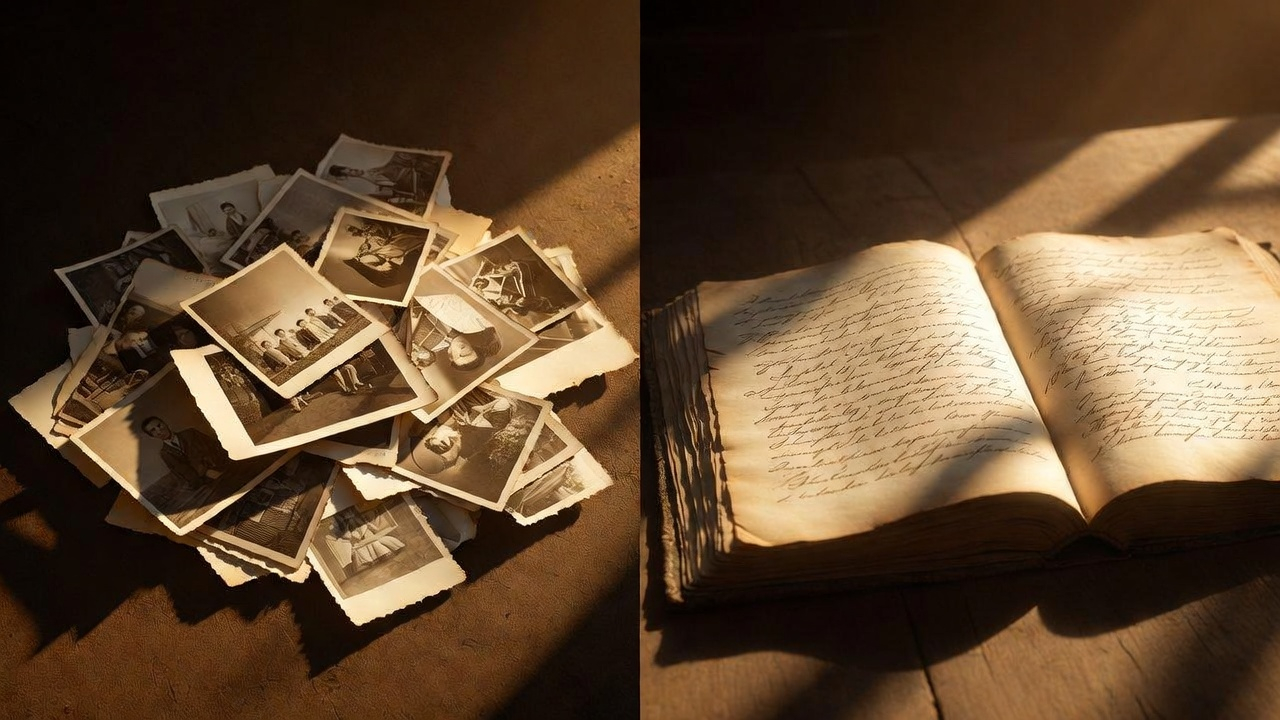
Most people who want to write their memoir make the same mistake before they even open a document.
They think memoir means writing down their memories.
It doesn't. And confusing the two is the single biggest reason memoirs stall out, feel flat, or never get finished. Once you understand the difference between a memory and a memoir, everything about how you approach your life story changes.
What Is a Memory?
A memory is a raw material. It's your brain's stored version of something that happened — a scene, a feeling, a face, a moment. It's personal, specific, and often incomplete.
You remember your grandmother's kitchen. The smell of something frying. A particular afternoon when she said something you've never forgotten. The way the light came through a yellow curtain.
That's a memory. It belongs to you. It happened. It's real.
But here's what a memory is not: a story with a beginning, middle, and end. A memory doesn't come with a theme, or a reason to exist on the page, or a sense of what it meant in the arc of your life. A memory just is.
You have thousands of them. Most of them, if written down as-is, would be interesting only to you and the people who were there.
What Is a Memoir?
A memoir is what you do with your memories. It's the act of taking raw experience and shaping it into something that communicates — to a stranger, to your children, to anyone who wasn't there.
A memoir answers questions your memories don't ask:
- Why does this matter?
- What does this reveal about who I was — and who I became?
- What would a reader feel reading this?
- What's the arc? Where does this go?
The same afternoon in your grandmother's kitchen becomes memoir when you understand why you're writing about it. Maybe that's the afternoon she told you something that changed how you saw your family. Maybe it's the last time you saw her before she got sick. Maybe it's the moment you realized home could feel like safety — and you'd spend the next twenty years searching for that feeling again.
The memory is the same. The memoir is the meaning.
"Memory gives you the raw material. Memoir asks what you're going to build with it."
Why Most Memoir Drafts Die in the Memory Stage
This is the trap: people start writing their memoir and what comes out is a string of memories. Childhood stories. Pivotal events. The funny thing that happened at work. The difficult year. The trip that changed everything.
Written this way, a memoir reads like a scrapbook — a collection of moments that meant something to the writer, but that float unconnected on the page. There's no through-line. No tension. No reason for a reader to keep going.
The writer often feels this too. They write for a while, then read it back and think: this isn't very good. Or worse: why would anyone care?
They're right — not because their life isn't interesting, but because they're writing memories when they need to be writing memoir.
The fix isn't better writing. It's a different question: What is this story actually about?
Memory vs. Memoir: The Practical Difference
Here's a simple way to see the distinction in action:
In every case, the memory is the event. The memoir is the frame — the reason this event deserves to be written, the lens through which a reader can enter your life and feel something true about their own.
A Note on Memoir vs. Autobiography
Since we're drawing distinctions: what's the difference between a memoir and an autobiography?
People use the terms interchangeably, but they mean different things.
An autobiography is a comprehensive account of a life — from birth to the present (or close to it). It's chronological, broad, and tends to be written by public figures: politicians, athletes, executives, historical figures. The point is the whole life, documented.
A memoir is focused. It doesn't try to cover everything. It chooses a theme, a period, a question — and goes deep on that. A memoir about grief. A memoir about immigration. A memoir about the decade you spent building a company, or raising a child, or surviving something that should have broken you.
Most people writing their life story should write a memoir, not an autobiography. Here's why: unless you're a historical figure, no one needs a complete account of your life. But almost anyone can write a memoir that matters — because good memoir isn't about the scale of your experiences. It's about the depth of the meaning you find in them.
Quick Reference
How to Move From Memory to Memoir
The transition from raw memory to shaped memoir comes down to one practice: asking why before you write.
Before you write a scene, ask:
- Why is this moment in the book?
- What does it reveal about who I was at the time?
- How does it connect to the larger story I'm telling?
- What do I want a reader to feel?
If you can't answer these questions, the scene probably isn't ready to write yet. That's not a failure — it's information. It means you haven't found the memoir inside the memory.
Sometimes the answers come from writing badly for a while — letting the memories spill out until the pattern reveals itself. But experienced memoirists learn to do the meaning-work first, or at least alongside the drafting, rather than after 80,000 words that don't hold together.
This is exactly why structure matters so much. The Hero's Journey framework — which the MemoirMaster system is built on — gives you a map before you start. It helps you understand what kind of story you're telling, so every memory you include has a reason to be there.
The Short Version
Memory is what happened.
Memoir is what it meant.
Every memory you have is raw material waiting to be shaped. The question isn't whether you have enough to write about — you do. The question is whether you can find the meaning inside your memories and give it a form that another person can feel.
That's the work of memoir. And it's work worth doing.
Keep Reading
- How to Structure Your Memoir in 10 Stages (The Hero's Journey Framework)
- Why "Just Start Writing" Is the Worst Memoir Advice You'll Ever Get
- Should You Hire a Ghostwriter for Your Memoir?
Ready to Start Your Memoir?
MemoirMaster: How To Write A Memoir gives you the complete system — structure, scenes, voice, and arc — to take your memories from scattered notes to a finished manuscript worth reading. If you're serious about writing your story, this is where you start.
Get the Book →